
How Much Does an Off-Grid Solar System Cost in 2026?
Home - Blog - How Much Does an Off-Grid Solar System Cost in 2026?
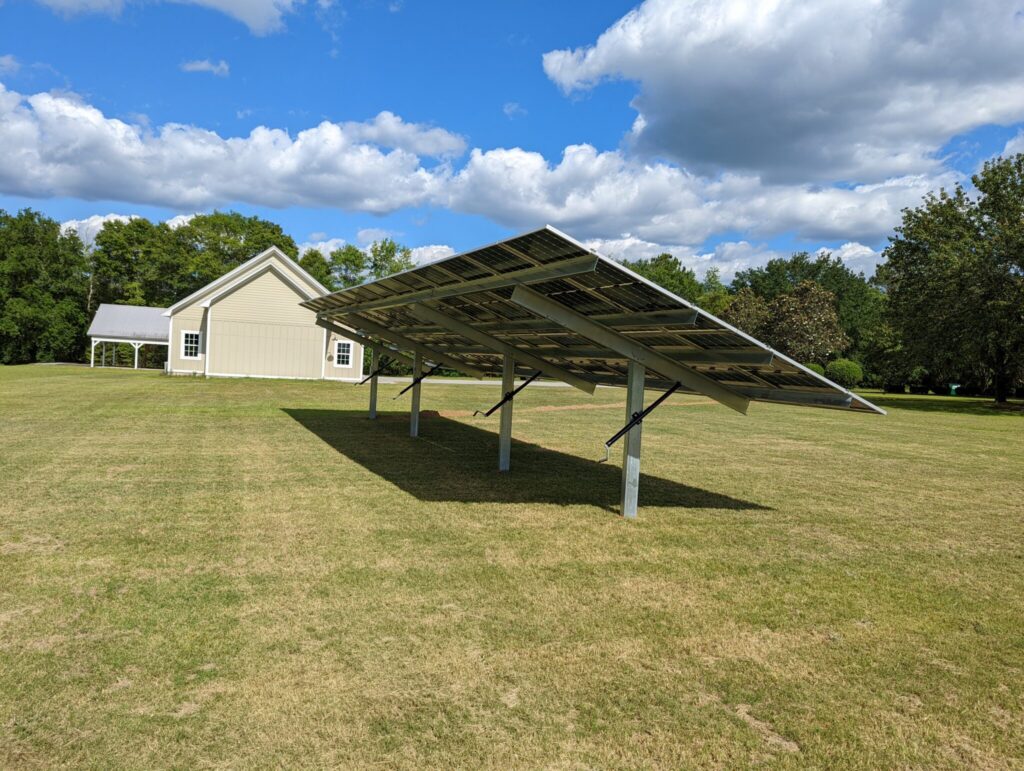
Off-Grid Solar Is More Than Panels
The solar panels themselves are only one part of an off-grid power plant. A complete system may include a large PV array, battery bank, one or more inverters, generator integration, transfer equipment, electrical distribution, racking, trenching, site work, communications, monitoring, engineering, permitting, and substantial labor.
That is why comparing an off-grid system to a simple grid-tied price-per-watt number is usually misleading.
Small Systems vs. Full-Home Systems
A small cabin or essentials-only system can sometimes be built in the tens of thousands of dollars when the loads are modest and the site is straightforward. A true full-home off-grid system for a normal modern house can easily become a six-figure project, especially when the customer expects central HVAC, well pumps, cooking loads, shops, pools, or other large electrical loads.
At Georgia Solar Pros, many serious full-home off-grid projects fall into the $100,000-plus category because an experienced off-grid solar installer must design a system that replaces the function of the utility, not merely supplements it.
The Biggest Cost Drivers
Battery capacity is usually one of the largest variables. Solar array size is another. Large inverters or parallel inverter systems may be required for high peak loads. Long trench runs, ground-mount work, difficult access, service upgrades, generator integration, and custom electrical distribution can all add significantly to the project.
Why a Generator Often Still Makes Sense
Designing enough batteries and solar to survive the absolute worst run of cloudy weather can be extremely expensive. A properly integrated generator provides a second energy source and can reduce the amount of battery storage required for rare conditions.
The goal is not necessarily to run the generator every day. In a well-designed system, it may operate only when weather, unusual loads, or maintenance conditions make it useful.
The Cheapest Off-Grid System Is Often Efficiency
Reducing large electrical loads before sizing the system can save more money than shopping for cheaper solar equipment. Heat-pump water heaters, efficient HVAC, gas or propane cooking in some applications, better insulation, and thoughtful load management can dramatically reduce the size and cost of the off-grid solar battery system required.